
Navigating the Red Tape: Your 2026 Oregon Solar Permit Guide
If you’re looking at your roof in Portland, Oregon City, or Gresham and thinking about finally making the jump to clean energy, you’ve probably asked yourself: “Can I just put these panels up, or is the city going to have a word with me?”
As we move into March 2026, the answer is a neighborly—but very important—Yes, you absolutely need permits. Following the 2025 passage of the federal “One Big Beautiful Bill,” the landscape for solar has shifted. While the residential federal tax credit has expired for homeowners, the requirements for safety and structural integrity haven’t gone anywhere. In fact, Oregon’s building codes have become more sophisticated to handle the growing number of battery backup systems and EV chargers being integrated into local homes.
In Oregon, installing solar isn’t just about the panels; it’s about ensuring your home remains safe, structural, and up to code. While the paperwork might seem like a headache, it’s actually there to protect your biggest investment (your home) and your family. In this 1,750-word master guide, we’ll break down every specific type of solar permitting process in Oregon, why “winging it” is a recipe for disaster, and how to navigate the 2026 regulatory landscape.
The Pillars of Oregon Solar Permitting: A Type-by-Type Breakdown
When you apply for a solar permit in Oregon, you aren’t just getting one single “OK.” You’re usually dealing with a bundle of different permits, each overseen by different departments. Understanding these “Pillars” is the first step toward a successful installation.
1. The Electrical Permit (The Safety Essential)
This is the most common and critical permit. Solar panels generate a significant amount of Direct Current (DC) power, which must be safely inverted into Alternating Current (AC) for your home.
In 2026, electrical inspectors are focusing on “NEC 2026” compliance, which includes:
- Rapid Shutdown: This allows the system to be de-energized at the roof level within seconds, protecting firefighters who might need to access your roof.
- Busbar Ratings: Ensuring your existing electrical panel won’t melt under the combined load of the grid and your solar panels.
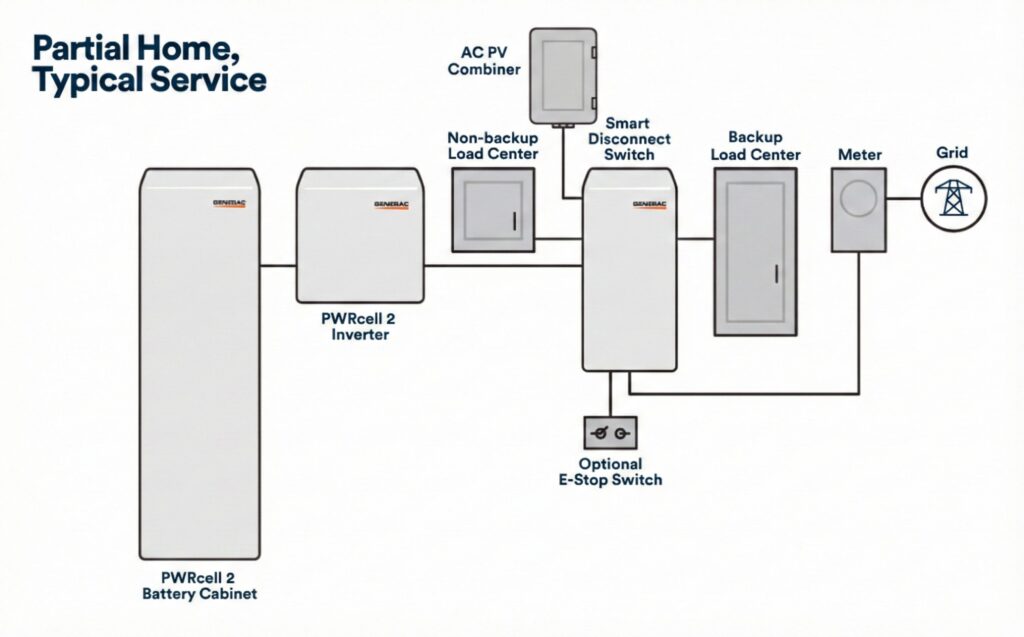
- Battery Integration: If you are installing home battery backup, the permit covers the “transfer switch” that prevents your battery from sending power back into the utility lines during a blackout—a major safety hazard for line workers.
2. The Structural/Building Permit (The Engineering Essential)
Oregon’s climate is diverse. While we love our liquid sunshine, we also have to account for heavy “snow loads” in the Cascades and high wind speeds in the Columbia River Gorge. A structural permit verifies that your roof rafters can support the “Dead Load” (the weight of the panels and racking) and the “Live Load” (snow and wind).
To satisfy the solar building codes in Oregon, you need professional site plans. This is where many DIY attempts fail. We recommened experts like Avila Solar Drafting Services to produce the high-precision technical drawings and engineering stamps that city planners require. Without these professional blueprints, your application will likely be kicked back for “corrections.”
3. The Mechanical Permit (The Energy Storage Extra)
As more residents move toward “Solar + Storage” solutions, Mechanical Permits are becoming more common. Some high-capacity battery systems require specific ventilation or cooling to operate safely in an enclosed garage. A mechanical permit ensures that your energy storage setup meets local heat and air quality standards.
4. The Fire Code Review (The Access Essential)
The “36-inch solar rule” is now a non-negotiable part of the solar permitting process in Oregon. This rule requires a 3-foot clear pathway around the edges and ridges of your solar array. Why? So firefighters have a safe place to walk and vent smoke if there’s ever an emergency. If your plan doesn’t include these setbacks, the Fire Marshall will deny your permit before a single panel is mounted.
5. Zoning and Land-Use Reviews (The Neighborhood Essential)
For 90% of residential installs, zoning is a breeze. However, if you live in a Historic District(like Ladd’s Addition or Irvington in Portland) or if you are planning a ground-mounted system, you may need a Land-Use Review. This ensures your panels don’t clash with protected aesthetics or encroach on property setbacks. This is a major factor in commercial solar permits in Oregon, where large-scale arrays must be vetted for local environmental impact.
Why the 2026 “Incentive Gap” Makes Permits Mandatory
In years past, some folks “gambled” by skipping permits because they already had their federal tax credit. In 2026, that gamble is much riskier. With the federal residential credit expired, your primary savings now come from local Oregon solar incentivesand utility-based Oregon net metering.
The “No-Permit, No-Pay” Rule: Almost every local rebate program, including the Energy Trust of Oregon (ETO) and individual utility grants (like PGE’s smart-battery programs), requires a “Proof of Final Inspection.” This is a document signed by a city official stating the system was permitted and built to code. If you don’t have this, you can’t get your rebate. Skipping a $500 permit could cost you $5,000 in incentives.
City vs. County: Who Is Checking Your Work?
Depending on where you live in the Willamette Valley, you’ll be knocking on different doors to apply for a solar permit in Oregon.
- Portland (BDS): The Bureau of Development Services handles everything for the city. They are arguably the most thorough permitting office in the state, with a high focus on historic preservation and precise structural math.
- Washington & Clackamas Counties: If you’re in a more rural area, county-level permitting often focuses heavily on structural integrity for snow loads. They want to know that a “100-year storm” won’t result in a roof collapse.
- The Gorge (Multnomah/Hood River): Here, wind is the enemy. Permitting often requires “triple-attachment” racking systems that can withstand 100+ MPH gusts—details that must be explicitly shown in your permitting package.
The Resale and Insurance Nightmare
We’ve seen too many Washougal and Portland neighbors hit a wall when trying to sell their homes. If your solar system wasn’t permitted, it technically doesn’t “exist” in the eyes of the law.
- The Home Inspection: A savvy buyer’s inspector will ask for the solar permit. If you can’t produce it, the buyer might demand you remove the system or pay to have it permitted “after the fact”—which often costs three times as much.
- The Insurance Claim: If a limb falls on your roof or a leak develops near a solar mount, your insurance company will check the public records. If the work was unpermitted, they can (and often will) deny the entire claim, leaving you with a massive bill.
The 2026 Permitting Checklist: What You Need
If you’re managing your own residential solar permits in OR, you’ll need a “Permit Package” that includes:
- Structural Engineering Letter: Stating your roof is fit for solar.
- One-Line Electrical Diagram: Showing the flow of power from roof to meter.
- Plat Map: Showing the array’s location relative to property lines.
- Manufacturer Spec Sheets: For every panel, inverter, and battery.
- Drafting Blueprints: Professional-grade drawings that meet the standards of local planners.
Because this list is so daunting, we highly recommend reading a Portland Solar Panels Guide to understand the timelines. In 2026, permitting wait times in some jurisdictions can take 4 to 8 weeks, so early planning is essential.
The Sunbridge Solution: Our Turnkey Promise
At Sunbridge Solar, we believe you should focus on the energy savings, while we focus on the red tape. We’ve been navigating Oregon solar installation permits for over 15 years. We know the inspectors, we know the codes, and we know exactly how to get a permit approved the first time.
Our process ensures your system meets all solar panel permits requirements in OR by:
- Precision Drafting: We work with the best in the business to ensure our plans are “inspection-ready” from day one.
- Local Liaison: We handle the back-and-forth with the city or county offices, so you don’t have to spend your morning on hold.
- No-Pressure Honesty: If your roof needs a few new rafters to pass a structural permit, we’ll tell you before we start, not after the inspector fails the project.
Ready to Power Up Safely?
Don’t let the fear of permits or paperwork keep you from energy independence. We’ll make sure your system is safe, legal, and ready to pay for itself for the next quarter-century.
Call 360-313-7190 for a free, no-pressure consultation today.
Disclaimer: Permitting requirements vary by jurisdiction. Sunbridge Solar handles all permitting for our customers as part of our standard installation package. For more general info, check out our PNW Solar Guide.